
eCommerce SEO Case Studies

Wondering how to do SEO for an eCommerce site? Or how eCommerce SEO services can help your business grow?

Our eCommerce SEO case studies unveil the intricate strategies and techniques employed to optimise online stores.

Dive deep into real-world examples showcasing the implementation of keyword research, on-page optimisation, and internal linking structures that have propelled eCommerce businesses to unprecedented heights.

Witness the tangible impact of tailored SEO approaches in enhancing user experience, increasing conversion rates, and elevating online presence.

Learn why partnering with an eCommerce SEO agency can boost online visibility and sales for your business.

eCommerce SEO Case Study

一家电子商务如何通过50K多个关键词排名垄断市场!

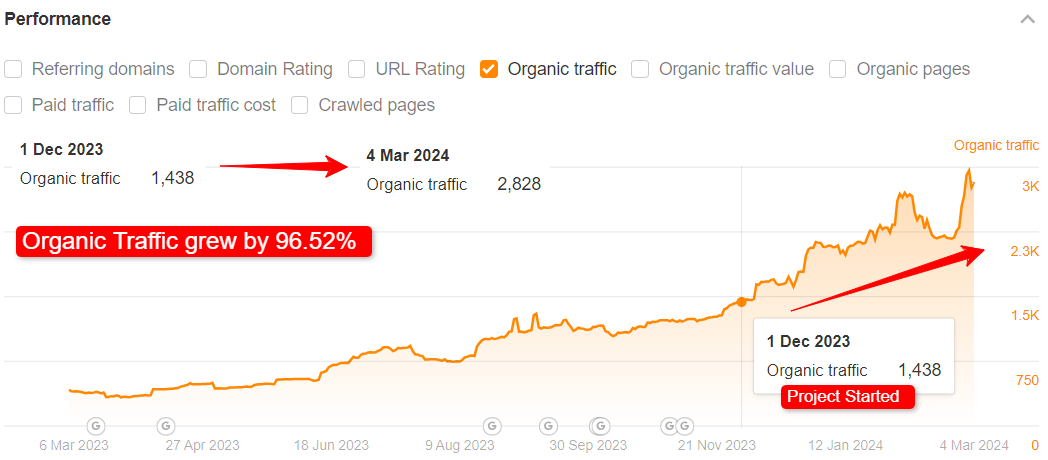
我们的客户,一个在装饰和家居内饰电子商务领域的新星,于2023年12月找到我们。我们的使命很明确:确保当有人搜索优雅触感时,我们客户的网站是第一个映入眼帘的。 我们的任务是将他们的网站突出显示在搜索引擎结果页面(SERP)的第一页,特别是针对那些能够将搜索转化为销售的”赚钱”关键词。 结果 在实施有针对性的SEO策略仅仅两个月内,就发生了以下变化: 该网站的自然流量增加了96.52%。 多个重要的”赚钱”关键词的排名显著提升。 我们还见证了销售额和收入的大幅增长。 我们做了什么? 我们的成功蓝图专门针对以下方面: 页面SEO优化:针对正确的搜索意图优化每个网页,重点关注元标签、标题和内容与目标关键词的一致性。 关键词研究:识别了高搜索量和特定利基长尾关键词的组合,强调那些具有高转化潜力的关键词。 用户意图分析:分析用户搜索意图,以定制直接满足潜在客户需求和疑问的内容。 LLMO整合:包含LLMO见解,以创建精确满足潜在客户需求的内容。 内容优化:修订网站的内容策略,提供与搜索意图和关键词定位相符的信息丰富且引人入胜的内容。 权威建立:通过创建主题集群,包括与行业相关的深入指南和博客文章,致力于将客户网站建立为装饰和家居内饰领域的权威来源。 内部链接:实施战略性内部链接结构,以改善网站导航、分配页面权重,并提升整体用户体验。 对于我们在家居装饰行业的客户来说,这不仅仅是关于被看到,更是关于被主动寻找。这个案例研究再次证明,即使是最小众的市场,只要有正确的策略,也能找到自己的亮点并蓬勃发展! 欲了解更多电子商务SEO案例研究,请访问我们的网站 https://www.growthseo.cn/seo-case-study/ecommerce

Read More >
traffic turnaround after google penalty

SEO案例研究:遭受Google惩罚后流量的显著逆转

在数字营销的动态世界中,一位电子商务客户在2023年4月发现自己处于十字路口。 怀着扩大规模并利用年终购物狂潮的雄心,他们寻求了一家SEO机构的专业知识。 与大多数SEO机构一样,他们的主要策略是为网站创建反向链接,这实际上违反了Google的服务条款(TOS)。人为制造的反向链接是不被认可的,如果这些链接来自仅作为”链接农场”而建立的网站,那将是一个问题。 通常,如果一家机构承诺客户能为某个数量的关键词排名,那就是采用激进反向链接策略的明显迹象。技巧在于使用精确的关键词作为外部网站反向链接的”锚文本”。因此,如果承诺为10个关键词排名,那么这10个精确的关键词将被用于在大量网站上创建反向链接。 冷冰冰地联系网站所有者并要求反向链接是极其困难的,所以,这些链接几乎可以肯定是从链接农场或出售链接的网站购买的。 链接农场基本上是内容非常单薄/无用的网站,只是出售反向链接,是互联网用户的主要垃圾信息困扰。 这种策略风险很高,很容易导致网站受到惩罚。 客户最初的进展很有希望,但到2023年7月流量开始暴跌,可能是由于Google的惩罚。这导致他们与现有的机构分道扬镳,转而寻求我们的帮助,以从这次重大下跌中恢复。 我们的策略 与这位客户的合作不仅仅是为了恢复,更是为了在他们的数字存在中树立新的标杆。 识别所有有害反向链接并将其从网站中剔除。我们还不得不手动联系一些网站所有者,要求他们删除这些链接。 Google喜欢大量强有力和有帮助的内容,所以我们用基于意图的信息内容丰富了现有的产品页面。 我们还研究了搜索者意图和用户行为,然后创建新内容和/或编辑网站上的现有内容。 进行关键词研究,使用相关关键词及其语义变体创建主题地图。 创建内容集群以建立主题权威性。 增强E-E-A-T(专业性、权威性、可信度和经验) 元标签优化(包括产品标题、描述和属性),以符合当地语言和偏好。 战略性内部链接,有效分配网站的SEO权重。这也为Google算法提供了每个网页的上下文相关语义。 结果 幸运女神眷顾我们,网站很快就完全从Google的惩罚中恢复了。 自然流量价值出现了惊人的增长,几乎是初始数字的600倍。 网站在其细分市场中成为权威,为充分利用年终购物季做好了准备。 我们客户的成功故事强调了正确执行可靠的白帽SEO策略和理解搜索引擎机制的重要性。 在SEO领域,不仅仅是要反弹;而是要飞向新的高度! 欲了解更多电子商务SEO案例研究,请访问我们的网站:

Read More >
ecommerce seo case study

一家电子商务如何通过50K多个关键词排名垄断市场!

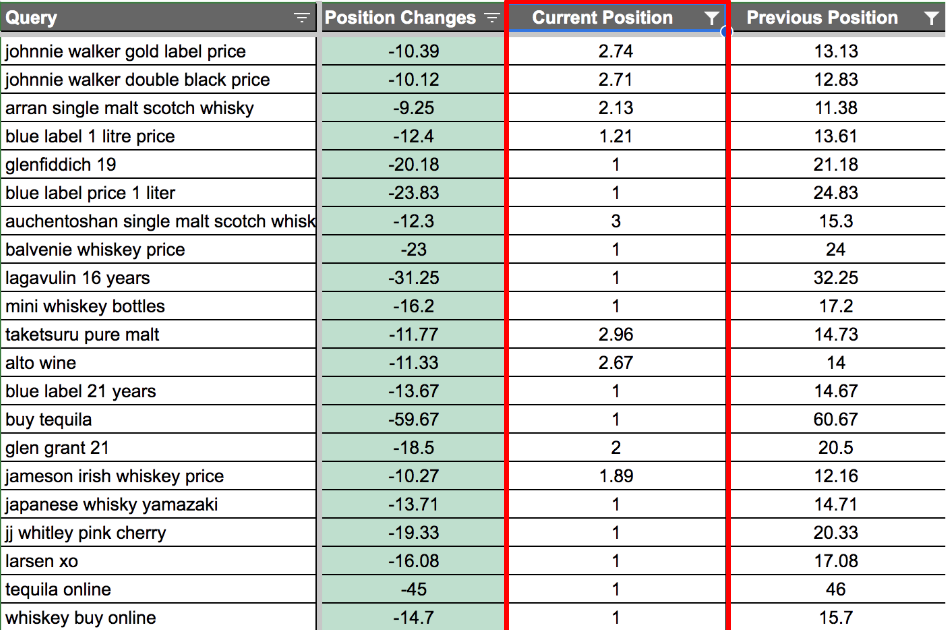
作为一家SEO公司,看到我们努力的积极成果总是令人兴奋,我们很高兴与大家分享我们之前一个电子商务SEO案例研究的更新,这个案例涉及我们尊贵的客户(一个马来西亚酒精饮料网站)。 在之前成就的基础上,我们的目标是继续增加排名关键词的数量,并为他们的网站带来更多流量。 以下数据展示了该网站在谷歌搜索引擎结果页面(SERP)上的完全主导地位: 更多高意向交易关键词已经上升到SERP前3位。 有823个关键词排名在谷歌前3位,2,415个排名在前10位。 该网站为约50K个关键词排名。 所有在第1页排名的关键词都是单词根关键词(如伏特加、杜松子酒、威士忌等),这些关键词竞争极其激烈,难度很高。 该网站在2023年3月获得了总计117个新的引用域名。 目前总共有1,630个网站链接回到该网站。 如今,该网站在这个类别中最受欢迎的关键词上完全垄断了目标市场! 我们做了什么? 我们的目标是在与行业巨头竞争的同时,为非品牌关键词排名。帮助我们实现这一目标的一些策略包括: 通过优化元标题和元描述来发送上下文信号。 分析用户行为和查询语义。 创建主题地图(宏观和微观上下文),以围绕主要关键词建立完整的权威性。 创建基于查询和意图的内容集群,这些集群在谷歌看来属于同一上下文组。 包含同义词和关键词变体(语义相关短语),以向谷歌的NLP算法发送正确的触发信号。 使用**结构化数据(模式)**为内容添加上下文。  

Read More >

我们的客户,一个在装饰和家居内饰电子商务领域的新星,于2023年12月找到我们。我们的使命很明确:确保当有人搜索优雅触感时,我们客户的网站是第一个映入眼帘的。 我们的任务是将他们的网站突出显示在搜索引擎结果页面(SERP)的第一页,特别是针对那些能够将搜索转化为销售的”赚钱”关键词。 结果 在实施有针对性的SEO策略仅仅两个月内,就发生了以下变化: 该网站的自然流量增加了96.52%。 多个重要的”赚钱”关键词的排名显著提升。 我们还见证了销售额和收入的大幅增长。 我们做了什么? 我们的成功蓝图专门针对以下方面: 页面SEO优化:针对正确的搜索意图优化每个网页,重点关注元标签、标题和内容与目标关键词的一致性。 关键词研究:识别了高搜索量和特定利基长尾关键词的组合,强调那些具有高转化潜力的关键词。 用户意图分析:分析用户搜索意图,以定制直接满足潜在客户需求和疑问的内容。 LLMO整合:包含LLMO见解,以创建精确满足潜在客户需求的内容。 内容优化:修订网站的内容策略,提供与搜索意图和关键词定位相符的信息丰富且引人入胜的内容。 权威建立:通过创建主题集群,包括与行业相关的深入指南和博客文章,致力于将客户网站建立为装饰和家居内饰领域的权威来源。 内部链接:实施战略性内部链接结构,以改善网站导航、分配页面权重,并提升整体用户体验。 对于我们在家居装饰行业的客户来说,这不仅仅是关于被看到,更是关于被主动寻找。这个案例研究再次证明,即使是最小众的市场,只要有正确的策略,也能找到自己的亮点并蓬勃发展! 欲了解更多电子商务SEO案例研究,请访问我们的网站 https://www.growthseo.cn/seo-case-study/ecommerce

在数字营销的动态世界中,一位电子商务客户在2023年4月发现自己处于十字路口。 怀着扩大规模并利用年终购物狂潮的雄心,他们寻求了一家SEO机构的专业知识。 与大多数SEO机构一样,他们的主要策略是为网站创建反向链接,这实际上违反了Google的服务条款(TOS)。人为制造的反向链接是不被认可的,如果这些链接来自仅作为”链接农场”而建立的网站,那将是一个问题。 通常,如果一家机构承诺客户能为某个数量的关键词排名,那就是采用激进反向链接策略的明显迹象。技巧在于使用精确的关键词作为外部网站反向链接的”锚文本”。因此,如果承诺为10个关键词排名,那么这10个精确的关键词将被用于在大量网站上创建反向链接。 冷冰冰地联系网站所有者并要求反向链接是极其困难的,所以,这些链接几乎可以肯定是从链接农场或出售链接的网站购买的。 链接农场基本上是内容非常单薄/无用的网站,只是出售反向链接,是互联网用户的主要垃圾信息困扰。 这种策略风险很高,很容易导致网站受到惩罚。 客户最初的进展很有希望,但到2023年7月流量开始暴跌,可能是由于Google的惩罚。这导致他们与现有的机构分道扬镳,转而寻求我们的帮助,以从这次重大下跌中恢复。 我们的策略 与这位客户的合作不仅仅是为了恢复,更是为了在他们的数字存在中树立新的标杆。 识别所有有害反向链接并将其从网站中剔除。我们还不得不手动联系一些网站所有者,要求他们删除这些链接。 Google喜欢大量强有力和有帮助的内容,所以我们用基于意图的信息内容丰富了现有的产品页面。 我们还研究了搜索者意图和用户行为,然后创建新内容和/或编辑网站上的现有内容。 进行关键词研究,使用相关关键词及其语义变体创建主题地图。 创建内容集群以建立主题权威性。 增强E-E-A-T(专业性、权威性、可信度和经验) 元标签优化(包括产品标题、描述和属性),以符合当地语言和偏好。 战略性内部链接,有效分配网站的SEO权重。这也为Google算法提供了每个网页的上下文相关语义。 结果 幸运女神眷顾我们,网站很快就完全从Google的惩罚中恢复了。 自然流量价值出现了惊人的增长,几乎是初始数字的600倍。 网站在其细分市场中成为权威,为充分利用年终购物季做好了准备。 我们客户的成功故事强调了正确执行可靠的白帽SEO策略和理解搜索引擎机制的重要性。 在SEO领域,不仅仅是要反弹;而是要飞向新的高度! 欲了解更多电子商务SEO案例研究,请访问我们的网站: https://www.growthseo.cn/seo-case-study/ecommerce

作为一家SEO公司,看到我们努力的积极成果总是令人兴奋,我们很高兴与大家分享我们之前一个电子商务SEO案例研究的更新,这个案例涉及我们尊贵的客户(一个马来西亚酒精饮料网站)。 在之前成就的基础上,我们的目标是继续增加排名关键词的数量,并为他们的网站带来更多流量。 以下数据展示了该网站在谷歌搜索引擎结果页面(SERP)上的完全主导地位: 更多高意向交易关键词已经上升到SERP前3位。 有823个关键词排名在谷歌前3位,2,415个排名在前10位。 该网站为约50K个关键词排名。 所有在第1页排名的关键词都是单词根关键词(如伏特加、杜松子酒、威士忌等),这些关键词竞争极其激烈,难度很高。 该网站在2023年3月获得了总计117个新的引用域名。 目前总共有1,630个网站链接回到该网站。 如今,该网站在这个类别中最受欢迎的关键词上完全垄断了目标市场! 我们做了什么? 我们的目标是在与行业巨头竞争的同时,为非品牌关键词排名。帮助我们实现这一目标的一些策略包括: 通过优化元标题和元描述来发送上下文信号。 分析用户行为和查询语义。 创建主题地图(宏观和微观上下文),以围绕主要关键词建立完整的权威性。 创建基于查询和意图的内容集群,这些集群在谷歌看来属于同一上下文组。 包含同义词和关键词变体(语义相关短语),以向谷歌的NLP算法发送正确的触发信号。 使用**结构化数据(模式)**为内容添加上下文。  

eCommerce SEO Stats

  • 1

    69% of online shoppers go straight to the search bar when visiting ecommerce sites. (Nosto, 2023)
  • 2

    On average, top ecommerce sites ranked for 20% more keywords per page in 2022 than they did in 2021 (BrightEdge, 2022)
  • 3

    About 33% of overall traffic to ecommerce sites comes from organic search (Wolfgang Digital, 2020)
  • 4

    59% of shoppers said they used Google to research in-store and digital purchases (Google, 2019)
  • 5

    Over 50% of consumers say they find new brands using Google (Google, 2019)

FAQ

What does an eCommerce SEO agency do?

An eCommerce SEO company specializes in optimizing online stores to improve their search engine rankings. They perform keyword research, on-page optimization, technical SEO audits, and content creation to increase organic traffic. Additionally, they implement strategies like link building and performance tracking to enhance the overall visibility and profitability of the websites.

Does ecommerce need SEO?

Absolutely! eCommerce needs SEO to drive organic traffic, boost sales, and stay competitive. SEO enhances your site's visibility, improves user experience, and makes it easier for customers to find and purchase your products. Without SEO, your online store may struggle to attract visitors and generate revenue.

What are the benefits of eCommerce SEO?

eCommerce and SEO work hand in hand, offering the following benefits for your website:

  1. Increased organic traffic: Optimizing your site improves its visibility on search engines, driving more organic traffic.
  2. Higher conversion rates: Targeted SEO strategies attract more relevant visitors who are likely to convert.
  3. Cost-effective marketing: Unlike paid advertising, SEO offers long-term benefits without ongoing costs.
  4. Enhanced user experience: SEO improvements like faster load times and mobile optimization also enhance user satisfaction.
  5. Brand credibility and trust: High search rankings build trust and credibility among potential customers.

What should be included in an eCommerce SEO strategy?

An effective strategy should include:

  • Keyword research: Identifying relevant and high-traffic keywords for your products.
  • On-page optimization: Enhancing product titles, meta descriptions, headers, and content.
  • Technical SEO: Improving site speed, mobile-friendliness, and ensuring proper indexing.
  • Content creation: Developing engaging and informative content like blogs and product descriptions.
  • Performance tracking: Monitoring and analyzing SEO metrics to adjust strategies.

What is an eCommerce SEO audit?

An eCommerce SEO audit is a comprehensive evaluation of an online store's search engine optimization. It involves analyzing various elements such as site structure, page speed, mobile-friendliness, and on-page SEO factors like meta tags and keywords.

The audit identifies areas for improvement, providing actionable insights to enhance the site's search engine rankings and overall performance.

What is the best SEO strategy for eCommerce websites?

The best SEO strategy for eCommerce websites includes keyword optimization and creating high-quality user intent based content. However, other than these, it is also important to optimize for local search terms and ensure your business is listed on local directories.

Further, consider implementing structured data (schema markup) to enhance search result listings. Add user-generated content by encouraging reviews and testimonials to build trust and improve rankings.

What are eCommerce SEO packages?

These packages are bundled services designed to optimize online stores for search engines.

These typically include a range of SEO activities such as keyword research, on-page optimization, technical SEO audits, content creation, link, and performance monitoring.

They are tailored to meet the specific needs of eCommerce businesses, helping them improve visibility, drive organic traffic, and increase sales. Packages can vary in complexity and cost, catering to different budgets and goals.

Check out our eCommerce SEO Malaysia pricing and international package here.

What are some advanced eCommerce SEO techniques?

Some advanced techniques that help optimize eCommerce websites include:

  • Local search optimization: Focus on local keywords and ensure your business is listed in local directories.
  • Optimizing Google My Business (GMB): Keep your GMB profile updated with accurate information, photos, and customer reviews.
  • Semantic keyword research: Understanding the relevance of semantic links and including those within your content plan.
  • Creating topical clusters: Creating content clusters focusing on searcher’s intent.
  • Visual search optimization: Optimize images with alt text and high-quality visuals for platforms like Google Lens and Pinterest.
  • Voice search optimization: Tailor content to answer common voice search queries in a conversational tone.
  • User-generated content: Encourage reviews and testimonials to build trust and improve SEO.
  • Influencer collaborations: Partner with influencers to generate backlinks and social proof.
  • Schema markup: Implement structured data to enhance search result listings.
  • Mobile optimization: Ensure your site is mobile-friendly with responsive design and fast loading speeds.

Read: eCommerce SEO: tools, techniques, and best practices

How do I perform on-page SEO for eCommerce?

On-page SEO for eCommerce includes optimizing product descriptions, meta tags, and URLs for keywords that are valuable to the searcher’s.

For more details, read: How to do on-page SEO for eCommerce sites?

What are some eCommerce SEO tips for beginners?

  1. Keyword research: Identify and use relevant keywords for your products and create unique product descriptions.
  2. Optimize product pages: Ensure titles, descriptions, and images are SEO-friendly.
  3. Improve site speed: Fast-loading pages enhance user experience and SEO.
  4. Mobile-friendliness: Make sure your site is responsive and works well on mobile devices.
  5. Create quality content: Develop informative and engaging content like blogs and product guides.
  6. Utilize social media: Share your content on social media to drive traffic and improve SEO.

Why is local SEO important for eCommerce?

Local SEO helps businesses attract customers from specific geographic areas, enhancing visibility in local search results.

By optimizing for local search, eCommerce stores can target potential customers who are more likely to make a purchase due to proximity.

Local SEO also includes optimizing Google My Business profiles, encouraging customer reviews, and using localized keywords, which can significantly boost local traffic and sales.

What features should an SEO-friendly eCommerce platform have?

SEO platforms for eCommerce sites should have the following features:

  • Customizable URLs: Ability to create SEO-friendly URLs.
    Meta tag editing: Easy editing of meta titles and descriptions for all pages.
  • Responsive design: Mobile-friendly design to ensure good performance on all devices.
  • Fast loading speeds: Optimization tools to ensure quick page loads.
  • Structured data support: Capability to implement schema markup for enhanced search result listings.
  • SEO-friendly navigation: Clear and user-friendly site structure.
    Blogging capabilities: Integrated blog for content marketing efforts.
  • Social media integration: Tools to easily share content on social platforms.

Read: Best eCommerce platforms for SEO

How do I create SEO content for eCommerce?

Creating SEO content for these websites involves several key steps:

  1. Keyword research: Identify relevant keywords that your target audience is searching for.
  2. Unique product descriptions: Write detailed, engaging, and unique descriptions for each product, incorporating keywords naturally.
  3. High-quality images: Use high-quality images with descriptive, keyword-rich alt text.
  4. Content marketing: Create blog posts, buying guides, and other informative content related to your products.
  5. Internal linking: Link to related products and categories within your content to improve navigation and SEO.
  6. User-generated content: Encourage reviews and testimonials to build trust and add fresh content.
  7. Avoid duplicate content: Avoid keyword cannibalisation issues.

What are the best practices for SEO for eCommerce products?

Best practices include using relevant keywords, optimizing product titles and descriptions, and ensuring high-quality images.

How do I choose the right eCommerce SEO keywords?

eCommerce SEO keyword research starts with understanding your audience and their search behavior. Use keyword tools like Google Keyword Planner and analyze competitors to find relevant keywords with good search volume and low competition. Focus on long-tail keywords and consider search intent to ensure you target phrases that match what potential customers are looking for.

FAQ

What does an eCommerce SEO agency do?

An eCommerce SEO company specializes in optimizing online stores to improve their search engine rankings. They perform keyword research, on-page optimization, technical SEO audits, and content creation to increase organic traffic. Additionally, they implement strategies like link building and performance tracking to enhance the overall visibility and profitability of the websites.

Does ecommerce need SEO?

Absolutely! eCommerce needs SEO to drive organic traffic, boost sales, and stay competitive. SEO enhances your site's visibility, improves user experience, and makes it easier for customers to find and purchase your products. Without SEO, your online store may struggle to attract visitors and generate revenue.

What are the benefits of eCommerce SEO?

eCommerce and SEO work hand in hand, offering the following benefits for your website:

  1. Increased organic traffic: Optimizing your site improves its visibility on search engines, driving more organic traffic.
  2. Higher conversion rates: Targeted SEO strategies attract more relevant visitors who are likely to convert.
  3. Cost-effective marketing: Unlike paid advertising, SEO offers long-term benefits without ongoing costs.
  4. Enhanced user experience: SEO improvements like faster load times and mobile optimization also enhance user satisfaction.
  5. Brand credibility and trust: High search rankings build trust and credibility among potential customers.

What should be included in an eCommerce SEO strategy?

An effective strategy should include:

  • Keyword research: Identifying relevant and high-traffic keywords for your products.
  • On-page optimization: Enhancing product titles, meta descriptions, headers, and content.
  • Technical SEO: Improving site speed, mobile-friendliness, and ensuring proper indexing.
  • Content creation: Developing engaging and informative content like blogs and product descriptions.
  • Performance tracking: Monitoring and analyzing SEO metrics to adjust strategies.

What is an eCommerce SEO audit?

An eCommerce SEO audit is a comprehensive evaluation of an online store's search engine optimization. It involves analyzing various elements such as site structure, page speed, mobile-friendliness, and on-page SEO factors like meta tags and keywords.

The audit identifies areas for improvement, providing actionable insights to enhance the site's search engine rankings and overall performance.

What is the best SEO strategy for eCommerce websites?

The best SEO strategy for eCommerce websites includes keyword optimization and creating high-quality user intent based content. However, other than these, it is also important to optimize for local search terms and ensure your business is listed on local directories.

Further, consider implementing structured data (schema markup) to enhance search result listings. Add user-generated content by encouraging reviews and testimonials to build trust and improve rankings.

What are eCommerce SEO packages?

These packages are bundled services designed to optimize online stores for search engines.

These typically include a range of SEO activities such as keyword research, on-page optimization, technical SEO audits, content creation, link, and performance monitoring.

They are tailored to meet the specific needs of eCommerce businesses, helping them improve visibility, drive organic traffic, and increase sales. Packages can vary in complexity and cost, catering to different budgets and goals.

Check out our eCommerce SEO Malaysia pricing and international package here.

What are some advanced eCommerce SEO techniques?

Some advanced techniques that help optimize eCommerce websites include:

  • Local search optimization: Focus on local keywords and ensure your business is listed in local directories.
  • Optimizing Google My Business (GMB): Keep your GMB profile updated with accurate information, photos, and customer reviews.
  • Semantic keyword research: Understanding the relevance of semantic links and including those within your content plan.
  • Creating topical clusters: Creating content clusters focusing on searcher’s intent.
  • Visual search optimization: Optimize images with alt text and high-quality visuals for platforms like Google Lens and Pinterest.
  • Voice search optimization: Tailor content to answer common voice search queries in a conversational tone.
  • User-generated content: Encourage reviews and testimonials to build trust and improve SEO.
  • Influencer collaborations: Partner with influencers to generate backlinks and social proof.
  • Schema markup: Implement structured data to enhance search result listings.
  • Mobile optimization: Ensure your site is mobile-friendly with responsive design and fast loading speeds.

Read: eCommerce SEO: tools, techniques, and best practices

How do I perform on-page SEO for eCommerce?

On-page SEO for eCommerce includes optimizing product descriptions, meta tags, and URLs for keywords that are valuable to the searcher’s.

For more details, read: How to do on-page SEO for eCommerce sites?

What are some eCommerce SEO tips for beginners?

  1. Keyword research: Identify and use relevant keywords for your products and create unique product descriptions.
  2. Optimize product pages: Ensure titles, descriptions, and images are SEO-friendly.
  3. Improve site speed: Fast-loading pages enhance user experience and SEO.
  4. Mobile-friendliness: Make sure your site is responsive and works well on mobile devices.
  5. Create quality content: Develop informative and engaging content like blogs and product guides.
  6. Utilize social media: Share your content on social media to drive traffic and improve SEO.

Why is local SEO important for eCommerce?

Local SEO helps businesses attract customers from specific geographic areas, enhancing visibility in local search results.

By optimizing for local search, eCommerce stores can target potential customers who are more likely to make a purchase due to proximity.

Local SEO also includes optimizing Google My Business profiles, encouraging customer reviews, and using localized keywords, which can significantly boost local traffic and sales.

What features should an SEO-friendly eCommerce platform have?

SEO platforms for eCommerce sites should have the following features:

  • Customizable URLs: Ability to create SEO-friendly URLs.
    Meta tag editing: Easy editing of meta titles and descriptions for all pages.
  • Responsive design: Mobile-friendly design to ensure good performance on all devices.
  • Fast loading speeds: Optimization tools to ensure quick page loads.
  • Structured data support: Capability to implement schema markup for enhanced search result listings.
  • SEO-friendly navigation: Clear and user-friendly site structure.
    Blogging capabilities: Integrated blog for content marketing efforts.
  • Social media integration: Tools to easily share content on social platforms.

Read: Best eCommerce platforms for SEO

How do I create SEO content for eCommerce?

Creating SEO content for these websites involves several key steps:

  1. Keyword research: Identify relevant keywords that your target audience is searching for.
  2. Unique product descriptions: Write detailed, engaging, and unique descriptions for each product, incorporating keywords naturally.
  3. High-quality images: Use high-quality images with descriptive, keyword-rich alt text.
  4. Content marketing: Create blog posts, buying guides, and other informative content related to your products.
  5. Internal linking: Link to related products and categories within your content to improve navigation and SEO.
  6. User-generated content: Encourage reviews and testimonials to build trust and add fresh content.
  7. Avoid duplicate content: Avoid keyword cannibalisation issues.

What are the best practices for SEO for eCommerce products?

Best practices include using relevant keywords, optimizing product titles and descriptions, and ensuring high-quality images.

How do I choose the right eCommerce SEO keywords?

eCommerce SEO keyword research starts with understanding your audience and their search behavior. Use keyword tools like Google Keyword Planner and analyze competitors to find relevant keywords with good search volume and low competition. Focus on long-tail keywords and consider search intent to ensure you target phrases that match what potential customers are looking for.